
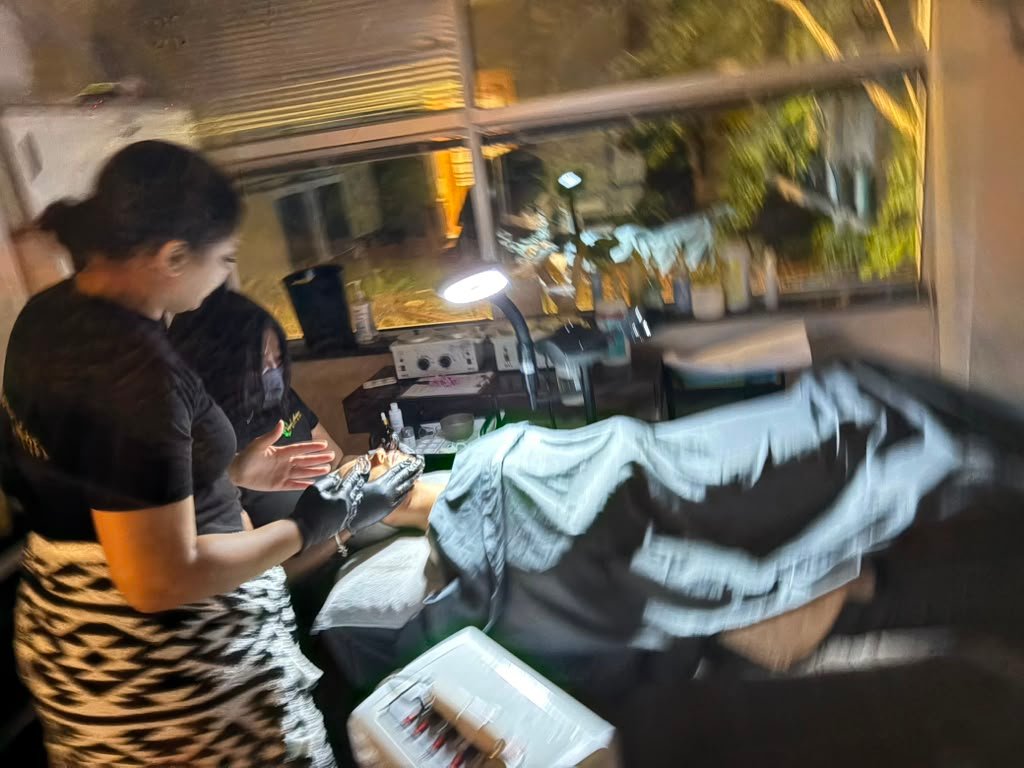
Acne is one of the most common, frustrating, and stubborn skin concerns faced by millions of teenagers and adults alike. From hormonal breakouts to clogged pores (comedones), finding a skincare routine that consistently works can feel like an endless trial-and-error cycle.
If you are struggling with breakouts, you have likely asked yourself: What is the best facial for acne prone skin?
While professional skincare treatments can work wonders, choosing the wrong type of facial can irritate your skin, worsen inflammation, and even trigger further breakouts. To achieve clear, healthy skin, you need to understand which professional treatments actually work and how they address the root causes of acne.
At Unique School of Aesthetics in Virginia Beach, we train the next generation of skincare experts.
Below is your complete guide to the best facial for acne prone skin—whether you want to book a professional treatment to clear your skin or learn how to perform these treatments as a licensed esthetician.
What is the Best Facial for Acne Prone Skin? (The Top 4 Treatments)
When dealing with acne-prone skin, the goal of a facial is to reduce inflammation, regulate sebum (oil) production, clear out dead skin cells, and eliminate acne-causing bacteria.
Here are the four most effective professional facial treatments that actually work:
🔹 1. Deep Cleansing & Decongesting Facials (With Professional Extractions)
This is the foundational treatment for congested skin. A deep cleansing facial involves:
- Double Cleansing: Using salicylic acid cleansers to dissolve surface oils.
- Enzymatic Exfoliation: Gently loosening dead skin cells under steam.
- Manual Extractions: A licensed professional safely removes blackheads and whiteheads using sterile tools, preventing scarring and further infection.
🔹 2. Salicylic Acid (BHA) Chemical Peels
Salicylic acid is a oil-soluble Beta Hydroxy Acid (BHA). Because it is oil-soluble, it can penetrate deep inside your pores to dissolve the sebum and cellular debris that cause acne. A light salicylic acid peel is highly effective for reducing active breakouts, refining skin texture, and fade post-acne dark marks (hyperpigmentation).
🔹 3. LED Blue Light Therapy
Blue light therapy is a non-invasive treatment that targets the Cutibacterium acnes bacteria responsible for inflammatory acne. The blue light wavelength destroys the bacteria inside the pores without damaging the surrounding skin tissues, helping to calm active inflammation and speed up healing.
🔹 4. Microdermabrasion (Best for Acne Scarring)
While microdermabrasion should never be performed on severe, active, pustular acne (as it can spread bacteria and cause irritation), it is an excellent treatment for mild comedonal acne and post-acne scarring. It works by gently buffing away the outermost layer of dead skin cells to promote cell turnover and fade dark marks.
Double Conversion: How Unique School of Aesthetics Can Help You
Whether you are looking to clear your own skin or looking to start a lucrative career in medical aesthetics, we have the perfect opportunity for you:
🌿 Option A: Book a Custom Acne Treatment at Our Spa Clinic
Looking for professional skincare without the high price tag? Our advanced students perform custom acne facials, chemical peels, and LED therapies under the direct supervision of licensed master instructors.
- Benefit: Get high-quality, professional treatments at a fraction of standard medspa costs!
- 👉 Click Here to Book Your Custom Acne Facial & View Clinic Services
🎓 Option B: Learn to Perform Acne Facials (Enroll for September 8th!)
Skincare specialists are in higher demand than ever before. In our DPOR-approved Basic and Master Esthetician programs, you will get hands-on clinical training to diagnose skin types, customize acne protocols, and perform advanced treatments.
- Class Starts: September 8, 2026 (Flexible Morning, Evening, and Weekend Hybrid schedules available!).
- Military Benefits: 100% GI Bill® and MyCAA accepted for eligible military spouses and veterans.
- 👉 Click Here to Download Our Syllabus & Schedule a Free Campus Tour
Frequently Asked Questions (FAQs) – Acne Facial Queries
-
Can a facial make my active acne breakouts worse?
Only if performed incorrectly. If an untrained person performs aggressive extractions, uses heavy pore-clogging comedogenic creams, or uses physical scrubs on active pustules, it can spread bacteria and worsen acne. That is why getting treated by a licensed professional (or supervised student) using customized salicylic or enzymatic treatments is crucial.
-
How often should you get a facial for acne-prone skin?
For active acne management, we recommend getting a facial every 3 to 4 weeks. This matches your skin’s natural cell renewal cycle and allows your esthetician to keep your pores clear and track your healing progress.
-
What ingredients should be avoided during an acne facial?
Avoid heavy oils (like mineral oil or coconut oil), high concentrations of alcohol (which strips the skin barrier), and aggressive physical scrubs (like apricot or walnut scrubs) which cause micro-tears in the skin and spread inflammation.
-
Are chemical peels safe for active acne?
Yes! Light chemical peels using salicylic acid (BHA) or glycolic acid (AHA) are highly recommended for active acne. They chemically exfoliate the skin, clear sebum blocks inside the pores, and reduce active inflammation safely.
Secure Your Appointment or Enroll in Our Sept 8th Class!
Don’t let acne hold you back from feeling confident in your own skin. Whether you want to clear your skin at our student clinic or launch a rewarding career in aesthetics, Unique School of Aesthetics is here for you.
Our next professional training classes begin on September 8, 2026.
Take Action Today:
- Visit our official landing page: Unique School of Aesthetics Esthetician Program
- Fill out the quick inquiry form to book an appointment at our student spa or check your GI Bill® eligibility for enrollment.
- Book a physical tour of our clinical training facility at 512 South Lynnhaven Road, Suite 101, Virginia Beach, VA 23452.
Invest in your skin and your future today. Fill out our form to get started!