
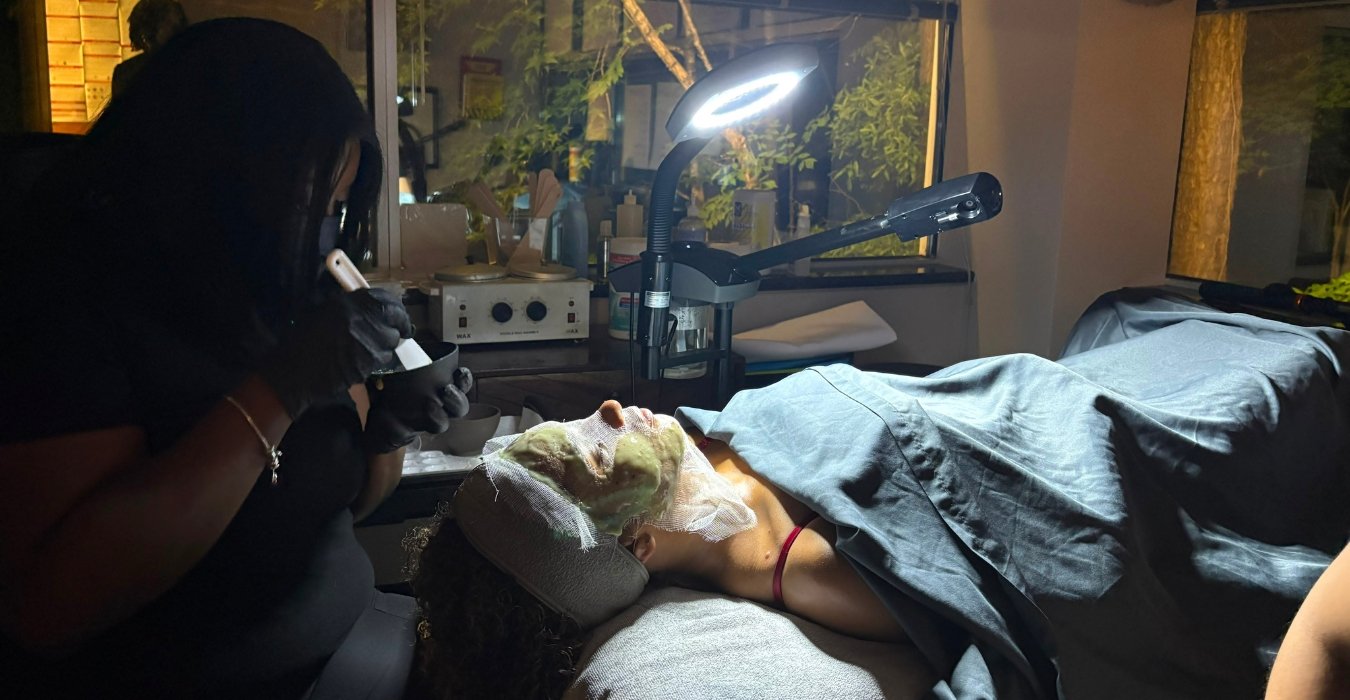
The medical aesthetics industry is experiencing unprecedented growth. Today, more than ever, prospective students are asking how to enter this high-paying, clinical beauty field. If you are looking for a career that combines advanced skincare science, medical-grade treatments, and clinical patient care, enrolling in a medical esthetician school is your first step.
In this guide, we break down what a medical esthetician does, the licensing requirements in Virginia, the average salary, and how to find the best medical esthetician programs Virginia Beach VA has to offer.
What is a Medical Esthetician?
A medical esthetician (often referred to as a clinical esthetician) is a licensed skincare specialist who operates in medical settings under the supervision of a licensed physician (such as a plastic surgeon, dermatologist, or medical director).
Unlike basic estheticians who focus on relaxation facials and general beauty treatments in spas, medical estheticians perform advanced, corrective skincare treatments. They often assist in pre- and post-operative skin care and help treat clinical skin conditions like severe acne, hyperpigmentation, scarring, and deep wrinkles.
Key Working Environments:
- Dermatology Clinics
- Plastic and Reconstructive Surgery Offices
- Medical Spas (MedSpas)
- Medical Laser Centers
- Clinical Research Facilities
Core Curriculum: What You Learn in Medical Esthetician Classes
To prepare for a career in medical aesthetics, you must master advanced skincare techniques and medical-grade equipment. The curriculum for high-quality medical esthetician classes focuses heavily on clinical procedures, skin physiology, and safety protocols.
Here is what you will learn in medical esthetician classes:
- Advanced Chemical Peels: Using clinical-strength acids (such as TCA, Jessner’s, and glycolic acid) to treat deep hyperpigmentation, scarring, and signs of aging.
- Microdermabrasion and Dermaplaning: Exfoliation techniques used to remove dead skin cells and fine hairs, prepping the skin for medical treatments.
- Microneedling (Collagen Induction Therapy): Creating controlled micro-injuries in the skin to stimulate natural collagen and elastin production, reducing scars and wrinkles.
- Laser and Light Therapies: Understanding IPL (Intense Pulsed Light), laser skin resurfacing, and laser hair removal safety and protocols.
- Clinical Pathology of the Skin: In-depth study of skin diseases, wound healing phases, and how to manage compromised skin.
- Medical Office Protocols: HIPAA compliance, sterilization and sanitation in clinical environments, and patient charting.
Esthetician Licensing Requirements in Virginia
In the state of Virginia, the Department of Professional and Occupational Regulation (DPOR) governs the licensing of skincare professionals. To legally practice medical aesthetics in Virginia Beach, you must follow a structured educational path.
Step 1: Complete Basic Esthetician Training (600 Hours) Before you can perform advanced clinical procedures, you must first complete a state-approved 600-hour basic training course. This covers the fundamentals of skincare, safety, sanitation, and basic facials. You must pass both the written and practical State Board exams to earn your Basic Esthetician License.
Looking for the right place to start? To build a strong foundation, you should enroll in a DPOR-approved esthetician school in Virginia Beach that offers flexible hybrid classes.
Step 2: Complete Master Esthetician Training (Additional 600 Hours) Under Virginia law, advanced clinical treatments, such as lymphatic drainage, microcurrents, and advanced chemical peels, fall under the scope of a Master Esthetician License. To achieve this, you must complete an additional 600 hours of DPOR-approved Master training (1,200 hours total) and pass the Master State Board exams.
Salary and Career Outlook in Virginia
Is medical esthetician school worth the investment? The data says yes.
According to employment statistics in the Hampton Roads area, medical estheticians earn a significantly higher average salary than traditional spa estheticians. Because clinical treatments are priced higher and require advanced licensing, medical estheticians can earn high commissions, hourly wages, and tips.
- Average Salary Range: 45,000to45,000to72,000 per year (depending on experience, medical clinic commissions, and location).
- Job Growth: The U.S. Bureau of Labor Statistics projects a 17% job growth rate for skincare specialists through 2031, which is much faster than the national average for all occupations.
Choosing the Best Medical Esthetician Programs in Virginia Beach
When comparing local schools, you should look for specific indicators of quality to ensure your tuition pays off:
- DPOR Approval and Accreditation: Verify that the school is licensed by the Virginia DPOR so that your hours are officially registered and count toward your licensing exam.
- Flexible Learning Options: Many students are working adults or military spouses. Look for schools that offer hybrid class options (online theory paired with hands-on practical training) and weekend or evening schedules.
- Active Student Clinic: The best way to learn is by doing. Ensure the academy has a fully operational student clinic where you can practice clinical treatments on real clients under instructor supervision.
- Military Benefits (GI Bill and MyCAA): If you are a veteran or a military spouse, choose a school approved for VA benefits to get your tuition covered.
Admissions Alert: Fall 2026 Batch is Enrolling Now!
If you are ready to take the first step toward becoming a licensed medical esthetician, now is the time to act. Our upcoming DPOR-approved class batch starts on September 8, 2026.
Seats are limited to maintain small class sizes and personalized hands-on instruction.
Get Your Free Tuition and Course Guide Now and secure your future in the thriving medical beauty industry!
Related Reading: To learn more about clinical beauty treatments, check out our comprehensive guide on how long do eyelash extensions last to maintain your lashes perfectly.